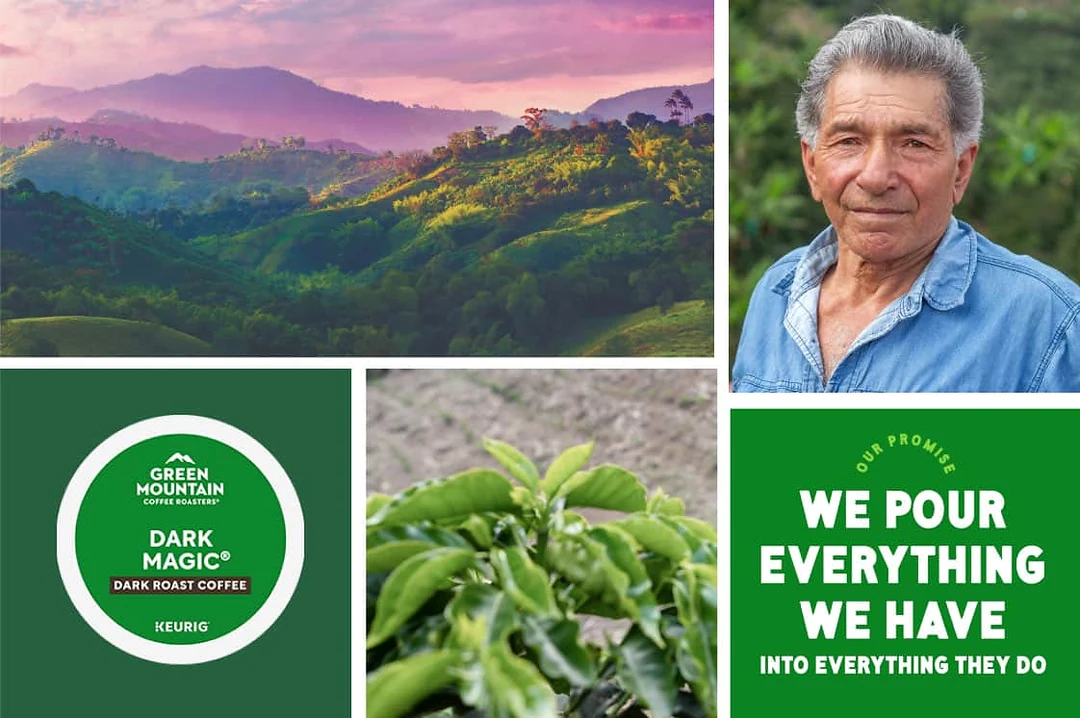
Your usual cup is the best place to start choosing a coffee. Think about what you enjoy before looking at a roast scale. Do you prefer a bright, easygoing drink with breakfast, something rounded enough to sip black, or a deeper cup that still tastes like coffee after you add milk? Those preferences point toward different parts of the Green Mountain Coffee Roasters range. They are more useful than choosing the darkest package or assuming that a familiar blend name tells the whole story.
We organize the range around those everyday choices. Breakfast Blend offers a light-roast starting point. Nantucket Blend, Colombia Select and Vermont Country Blend give you several directions within medium roast. Dark Magic and Horizon Blend take the cup toward a darker profile. Half Caff adds a separate decision about caffeine. This guide explains how those choices fit together, how to compare two coffees fairly, and how to buy a pack you will actually finish.
Start with the cup you want to drink
Imagine tomorrow morning rather than an idealized coffee tasting. You may have five quiet minutes with a ceramic mug, or you may be filling a travel cup while someone else makes breakfast. Perhaps you always add milk. Perhaps you want coffee beside toast but dislike a lingering roasted taste. Each detail narrows your choice. A blend that shines in a small black cup may feel too assertive in that setting, while a lighter coffee could disappear under a large amount of creamer.
Write down two things you like about your current coffee and one thing you would change. For example: "I like the aroma and the gentle finish, but I want more flavor after adding milk." That is a practical reason to compare a medium roast with Dark Magic. "I like drinking coffee black, but this one leaves too much roast flavor" suggests moving toward Breakfast Blend or a medium-roast option. You do not need professional tasting vocabulary to make a useful decision.
Keep the serving size in mind too. A twelve-ounce mug is not a recipe. The amount you brew and the space you leave for milk affect the result. If you compare coffees using very different amounts of water, you are comparing two brewing choices along with two blends. Our K-Cup brewing guide explains how to keep those variables separate.
What the roast label tells you
A roast label describes part of how the coffee is prepared, not every characteristic of the finished drink. Bean selection, blending and brewing also matter. Light roast is a useful signpost toward the brighter side of this range; medium roast covers several balanced but distinct blends; dark roast moves toward a deeper roasted character. Within each group, the product description gives you the details that a simple scale cannot supply.
Do not read light, medium and dark as a ladder of quality. A darker roast is not automatically more carefully made, and a light roast is not a beginner's coffee. The right choice is the one that matches your taste and how you prepare it. Someone who enjoys Dark Magic with cream may choose Breakfast Blend for a different occasion without moving up or down any hierarchy.
Roast is also different from concentration. A small serving made with one pod can taste more concentrated than a larger serving made with that same pod. If your coffee seems watery, changing the brew size is a more controlled first experiment than replacing every box in your cupboard. Once the serving feels right, the differences between blends become easier to judge.
The range at a glance
| Coffee | Roast | Flavor direction | A useful starting point |
|---|---|---|---|
| Breakfast Blend | Light | Bright, nutty, balanced sweetness | A lighter everyday cup |
| Nantucket Blend | Medium | A rounded blend with a touch of French roast | Exploring the middle of the range |
| Colombia Select | Medium | Stone-fruit notes, caramel and cocoa | A more fruit-led medium roast |
| Vermont Country Blend | Medium | Toasty, mellow, brown-sugar finish | A rounded breakfast coffee |
| Half Caff | Medium | Chocolate, raisin and a nutty finish | Choosing the half-caffeine option |
| Dark Magic | Dark | A deep, bold roast profile | A more assertive cup |
| Horizon Blend | Dark | Earthy and smoky notes | Comparing another dark-roast direction |
Treat the table as a shortlist rather than a tasting guarantee. Notes describe a coffee's flavor profile; they do not mean that fruit, chocolate or sugar has been added. Aroma and flavor also register differently from person to person. You might notice toast where someone else notices nuts, especially when milk, breakfast food or serving temperature changes the context.
Breakfast Blend: the lighter starting point
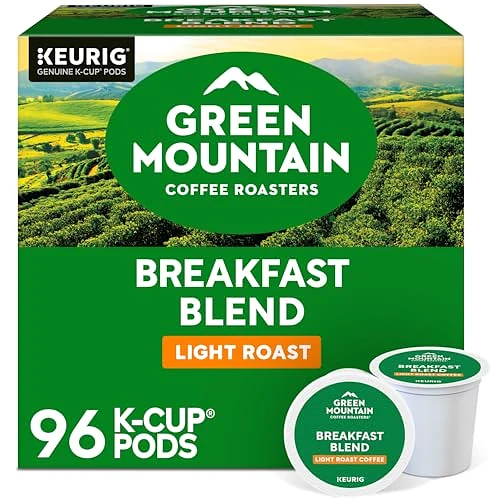
Breakfast Blend is a light roast with a clean, bright profile, nutty flavor and balanced sweetness. It makes sense when you want coffee to sit comfortably beside breakfast rather than dominate it. The name is a suggestion for an occasion, not a rule about when you can drink it. If this is the style you enjoy, it can be your afternoon cup just as easily.
Try your first serving without changing your usual milk or sweetener immediately. Taste a small sip before adding them, then finish the drink as you normally would. That brief comparison helps you distinguish the coffee's own character from what you add. If you enjoy its aroma but find the finished drink thin, use a smaller supported brew size next time before deciding that light roast is unsuitable.
Breakfast Blend also provides a helpful reference when comparing the range. It gives you a clear light-roast point against which to consider Vermont Country Blend or Dark Magic. Keep the cup, water and serving size the same for that comparison. A familiar baseline makes small differences easier to remember than sampling several unfamiliar blends at once.
Nantucket Blend: explore a rounded middle ground
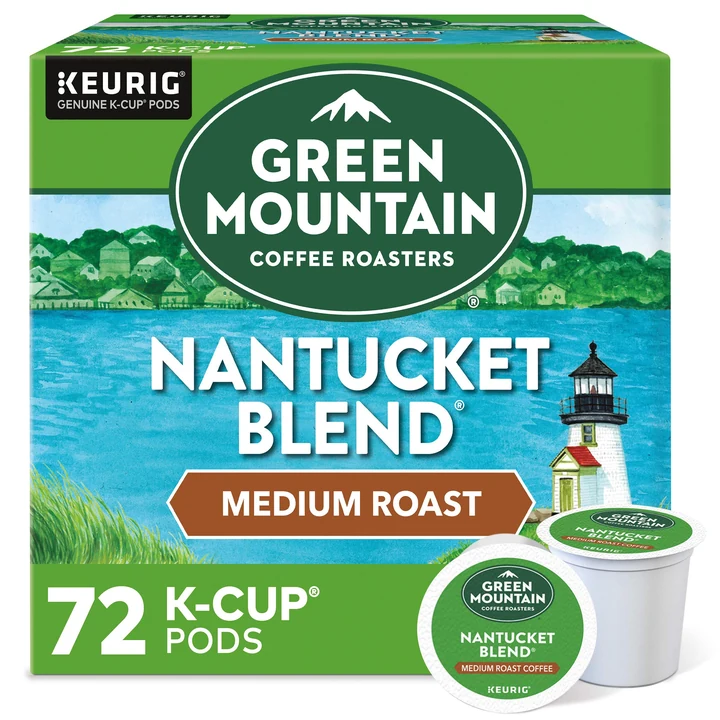
Nantucket Blend is a medium roast built from a blend of coffees, with a touch of French roast in its profile. That makes it a useful candidate if you are undecided between the lighter and darker ends of the range. It is still its own blend, however. Do not expect it to taste like Breakfast Blend and Dark Magic mixed together in equal amounts.
For a household with different preferences, a medium roast can be a practical place to begin the conversation. One person can drink it black while another adds milk, without assuming that everyone wants the same intensity. Ask each person what they liked in the actual finished cup. "Too much roast aftertaste" and "not enough flavor with milk" are more useful observations than simply voting that a coffee is good or bad.
Compare Nantucket Blend with Vermont Country Blend if you want to explore this middle ground more closely. The shared medium-roast label makes the differences in blend character more interesting. You can focus on the finish and overall balance rather than treating every preference as a choice between light and dark.
Colombia Select: look for fruit alongside cocoa
Colombia Select has a medium-roast profile with notes of caramel, cocoa and stone fruit. Those descriptors offer a different route through the medium-roast range. If you usually describe coffee only as mild or strong, this is an opportunity to pay attention to where the flavor seems bright and where it becomes rounded.
Let the cup cool to a comfortable drinking temperature before deciding whether you recognize those notes. Very hot coffee can make it difficult to concentrate on anything other than heat. Take another sip a few minutes later and notice whether your impression changes. You do not have to identify a specific fruit to enjoy the coffee. A general sense of fruit-like brightness is a perfectly useful observation.
Avoid adding a strongly flavored creamer during the first comparison with another medium roast. Vanilla or caramel creamer may be delicious, but it introduces another flavor that can obscure the distinction you are trying to understand. After the comparison, prepare the drink however you prefer. The purpose of tasting is to help you choose your everyday coffee, not to impose a special way of drinking it.
Vermont Country Blend: toasted and mellow
Vermont Country Blend combines light and dark roasts in a medium-roast coffee with mellow, toasty flavors and a brown-sugar finish. That description makes it worth considering if your ideal breakfast coffee feels rounded and familiar. A brown-sugar note is a flavor description, so do not expect the sweetness of a spoonful of sugar dissolved in the cup.
This is a useful blend to compare with your usual breakfast food. Toast, oatmeal and pastries each change the tasting context. Try a sip before eating, then another with your meal. You may find that a coffee you thought was too quiet on its own is exactly what you want at breakfast. Alternatively, you may prefer a more assertive contrast and choose Dark Magic instead.
The Vermont name also connects this blend to the brand's roots. It does not identify where the coffee beans were grown. Green Mountain's story began in Vermont, while coffee-growing regions and the particular composition of a blend are separate subjects. Our brand story keeps those distinctions clear.
Dark Magic: choose a deeper roast character
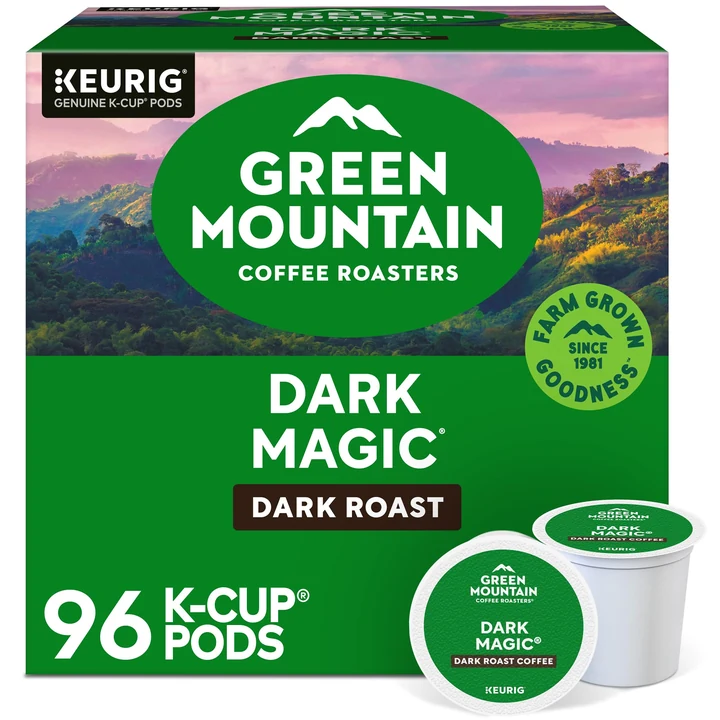
Dark Magic is the straightforward dark-roast choice to put beside Breakfast Blend in a comparison. Its deeper profile is useful for people who want a more pronounced roasted character. If you tend to add milk, pay particular attention to how the finished drink tastes after your usual addition. That is the cup you will actually drink most days.
A dark-roast label does not tell you the exact caffeine content of a serving. It also does not mean that you should choose the largest brew setting or expect a pod to produce espresso. Those are separate questions about formulation and brewing. For a stronger-tasting cup, begin with a supported smaller serving and see whether it gives you the balance you want.
If Dark Magic feels too intense when black but appealing with milk, that is a useful result. You have found a preparation that suits it. If the roasted finish remains more prominent than you enjoy, compare a medium roast rather than trying to cover every cup with more sweetener. Adjusting the coffee itself is often a clearer path to the taste you want.
Horizon Blend: a different dark-roast direction
Horizon Blend, the Green Mountain collaboration with Kevin Costner, is described through earthy and smoky notes. Consider it when you already know that you enjoy darker coffee and want to compare another profile within that group. The collaboration is part of the product's story; your own taste should still decide whether it belongs in the cupboard.
Use the same cup and serving size for Horizon Blend and Dark Magic. Taste them on separate mornings if two coffees at once would be inconvenient. Write a short note immediately after each cup, especially about the finish. Memories such as "I liked it" are hard to compare a week later, while "smokier than my usual cup, still clear through milk" gives you something specific to revisit.
Keep the pack size separate from the flavor decision. The Horizon Blend offer in this collection contains sixty pods, while other selected coffees come in different counts. A lower pack price does not necessarily mean a lower cost per cup. The pack-planning section below shows a simple way to compare those offers without confusing value with taste.
Half Caff belongs on a separate decision axis
Half Caff is a medium-roast option with chocolate and raisin notes and a nutty finish. The half-caffeine positioning tells you something different from the roast level. It is useful to treat caffeine choice as its own filter rather than assuming that a lighter-tasting coffee must contain less caffeine or that a darker coffee must contain more.
The exact amount of caffeine in your cup is not established by the roast name. Serving size and the particular product also matter. If you have a personal caffeine limit, use the product's current information and appropriate professional guidance rather than calculating a dose from this flavor guide. Half Caff should not be treated as caffeine-free.
For a household shopping list, label this choice clearly. People can easily recognize a box color while missing a word on a pod lid. Store Half Caff separately from the regular blends if confusion would matter to you. A simple labeled section in a drawer is more useful than relying on everyone to remember which package was opened first.
Flavored coffee is another route, not another roast level
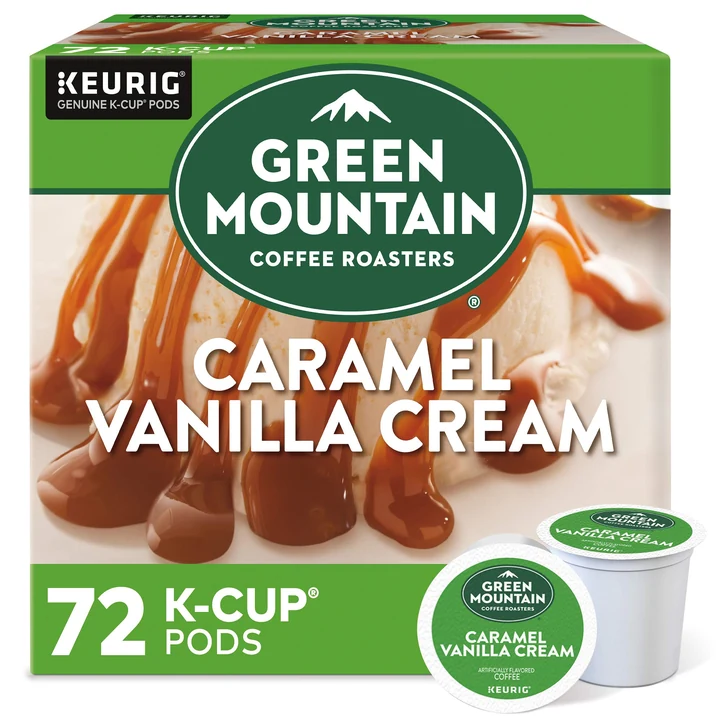
Hazelnut, French Vanilla and Caramel Vanilla Cream add another kind of choice to the range. Their flavor descriptions are different from the tasting notes used for unflavored blends. If you want a fragrant vanilla or nutty coffee, you can begin with those products directly rather than searching for an unflavored roast that might remind you of the same thing.
The flavored options in this collection are light roasts. That does not make them interchangeable with Breakfast Blend. The named flavor is part of what you are choosing. Compare Hazelnut with French Vanilla based on which aroma you enjoy, then adjust your milk and serving size. If you dislike flavored coffee, choose among the unflavored blends without assuming that their cocoa or nutty tasting notes mean added flavoring.
Our flavored-coffee guide goes further into that distinction and includes practical ways to serve the three flavors. It also explains why flavor names should not be used to infer ingredients, allergen suitability or the presence of milk.
Make a fair two-coffee comparison
Choose only two coffees for your first comparison. Three or four can be enjoyable, but they create more impressions to remember and more unfinished cups. Select one coffee you know and one that answers a specific question. Breakfast Blend against Vermont Country Blend explores a move toward medium roast. Dark Magic against Horizon Blend compares two darker profiles. Nantucket against Colombia Select explores differences within medium roast.
Use fresh water from the same source, a clean brewer and matching cups if possible. Brew the same supported size. Let each drink reach a comfortable temperature and taste a small amount before adding anything. Then add your usual milk or sweetener in measured, equal amounts. You are comparing both the black coffee and the version you actually prefer to drink.
Keep the notes simple: aroma, first impression, finish and whether you would want another cup. Avoid searching for a long list of elaborate flavor terms. The most useful outcome is an answer such as "Colombia Select feels brighter to me; Vermont Country Blend fits my breakfast better." That is enough to make the next purchase more deliberate.
Separate a coffee mismatch from a brewing problem
If every blend suddenly tastes different, investigate the brewer and water before replacing your coffee. A dirty cup, strongly scented detergent residue, old water in the reservoir or a machine that needs the maintenance described in its manual can complicate a comparison. A single disappointing serving is not enough to identify the cause.
Change one variable at a time. Start with a clean mug and fresh water. Next, try a supported smaller brew size with a fresh pod. If the result improves, you have learned something about concentration. If the cup remains unpleasant across different blends, consult the machine's instructions for cleaning and troubleshooting rather than repeatedly changing products.
Do not reuse a pod as a way to test a coffee at another size. The second pass is a different extraction from already-used grounds, so it does not give you a fair comparison. Use a new pod for each test and note the setting. You can keep the experiment small by tasting only the amount you need and avoiding unnecessary large servings.
Buy for your routine, not just the biggest number
Pod count is one of the easiest details to overlook when two packages look similar. The collection includes several seventy-two-count offers, ninety-six-count Breakfast Blend and Dark Magic offers, and a sixty-count Horizon Blend offer. Read the count on the product page before comparing the total price. Check it again when you open the purchase offer, particularly if another pack is selected there.
To estimate supply, divide the pod count by the number your household normally uses each day. A seventy-two-pod pack lasts about thirty-six days at two pods per day, or twenty-four days at three. These are planning examples, not freshness promises. Visitors, weekends away and a second coffee preference can change the actual pace.
To compare cost, divide the final pack price by the number of pods. Use the price available to you, including any membership or delivery conditions that apply. A larger pack can be convenient without being the cheapest per pod, and the lowest unit price is poor value if you do not enjoy the coffee. Taste comes first when you are trying a new blend.
Read the whole product name before ordering
A blend name identifies only part of the purchase. Count, format and caffeine choice can change while the familiar words remain prominent on the box. Before opening an offer, read the full product heading and the short specifications beside it. Then confirm that the selected option on the purchase page still matches what you intended to buy. This is particularly useful when the same flavor has several pack sizes.
Photographs help you recognize the coffee, but they should be read alongside those specifications. A gallery can show an individual pod, an outer shipping carton or another packaging design used for the same blend. An individual pod photograph does not mean that the offer contains only one pod. Likewise, several inner boxes may be grouped into one total count. Use the stated total count to compare products rather than counting only the packages visible in an image.
Keep a short record of the blend and pack you enjoyed if you expect to reorder. The exact name in your order history is more reliable than remembering a green box with an orange stripe. If a later order looks different, compare the product information and selected option before assuming that the coffee itself has changed. Packaging changes can be visible even when the familiar blend name remains the same.
Keep the next choice simple
Once you have found a coffee you like, there is no need to turn every restock into a new research project. Keep one dependable blend and add a second only when it serves a different purpose. You might choose Breakfast Blend for a lighter morning cup and Dark Magic when you want more roasted character. Another household might prefer Vermont Country Blend alongside Half Caff.
Store unopened pods according to their packaging, away from heat and moisture, and keep the product name visible when moving them into a drawer. Rotate older boxes forward so that an exciting new flavor does not leave a forgotten pack at the back. Check the date and package condition when receiving a delivery, and retain the order details until you know everything has arrived correctly.
Your next step is to compare the coffee collection using the roast and flavor filters. Open the two product pages that best match the cup you described at the start. Check their roast, count and current offer, then choose the one that answers your actual morning routine.
Product characteristics are based on the individual product information. Follow the current package and your brewer’s manual for ingredients, compatibility, care and handling.