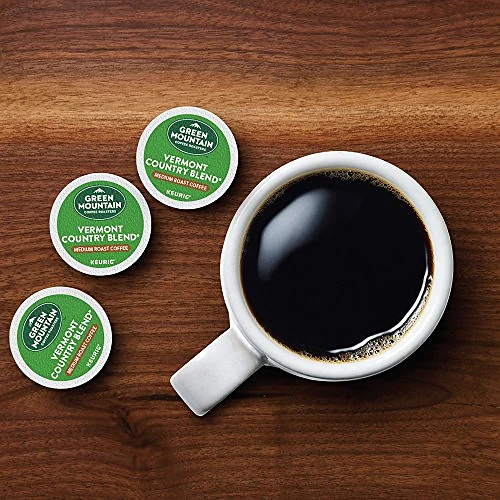
Flavored coffee is an easy way to change a familiar morning routine without learning a new brewing method. The useful choice is the flavor you want in the cup: warm hazelnut, rounded vanilla, or a combination of caramel and vanilla. Green Mountain Coffee Roasters offers each of those directions in K-Cup pods. You can drink them black, add a little milk or use the brewed coffee as the starting point for a chilled drink.
The flavor name does not make the whole recipe for you. Brew size, additions and ice still affect the finished cup, while ingredients and dietary questions belong to the actual product label. This guide helps you distinguish the three flavors, prepare a first cup that tells you something useful, and build a few simple serving ideas. The recipes are starting points for your kitchen, with room to adjust sweetness and milk to your own taste.
Choose the aroma before the recipe
Think about which aroma you would want beside you in the morning. Hazelnut has a warm, roasted-nut flavor direction. French Vanilla centers on vanilla and a rounded profile. Caramel Vanilla Cream combines caramel and vanilla with a brown-sugar character. All three selected products are light-roast coffees, so the named flavor is an important part of how you choose between them.
You do not need to begin with a complicated drink. If you already know that you enjoy vanilla, French Vanilla is a clearer first experiment than a recipe containing vanilla coffee, caramel syrup, chocolate sauce and flavored creamer. Starting with fewer additions makes it easier to decide whether the coffee itself suits you. You can build a more elaborate cup afterward.
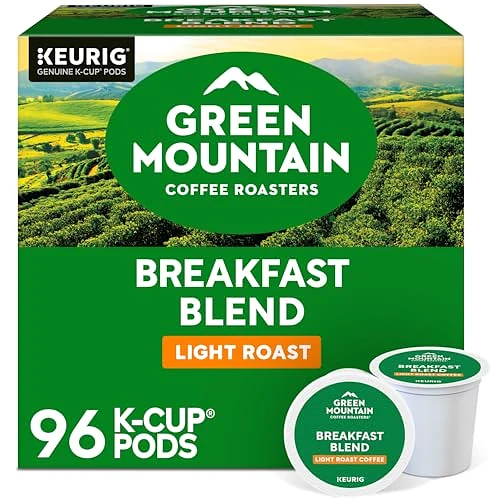
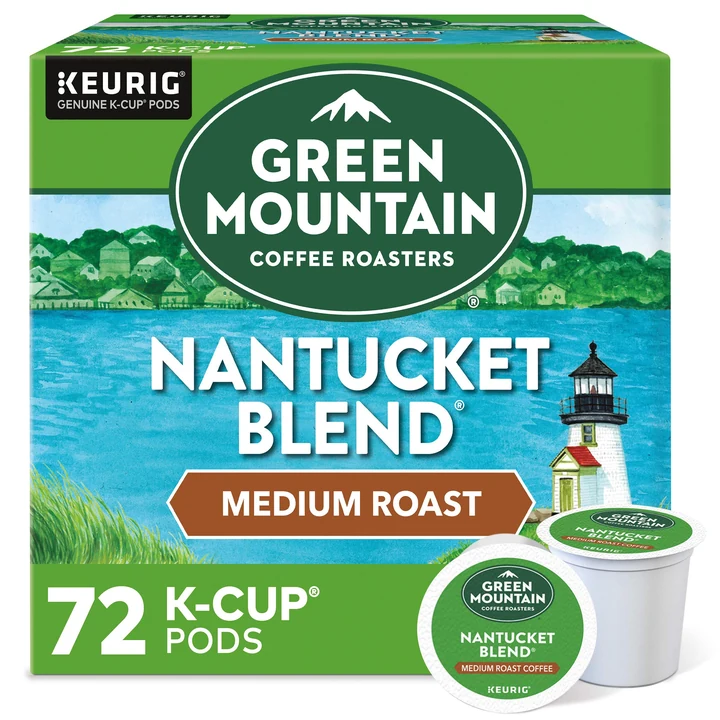
If you are buying for several people, separate their preferences rather than looking for one universally appealing flavor. A person who enjoys Hazelnut may prefer an unflavored blend over vanilla coffee. Keep a familiar option such as Nantucket Blend available when hosting. Offering two clearly labeled choices is more useful than assuming that a popular-sounding flavor works for everyone.
Flavor notes and flavored coffee mean different things
Coffee descriptions often mention cocoa, caramel, nuts or fruit even when the coffee is not sold as a flavored variety. Those tasting notes describe associations in the brewed coffee's character. For example, Colombia Select is described through stone-fruit, caramel and cocoa notes. That description should not be read as a recipe listing added fruit or chocolate.
A product named French Vanilla or Hazelnut makes a different promise: a named flavored-coffee experience. Use the product's ingredients and packaging to answer questions about its formulation. Do not infer the presence or absence of nuts, dairy, sugar or another ingredient simply from the flavor name or a photograph of a finished drink. A cup shown with milk is a serving suggestion unless the product information says otherwise.
This distinction also helps when choosing between products. If you want a clear vanilla aroma, select the vanilla-flavored coffee rather than expecting an unflavored medium roast to taste like vanilla syrup. If you enjoy the natural character of coffee and dislike added flavor profiles, explore the roast guide instead. Both preferences fit within the wider Green Mountain range.
Compare the three flavors
| Coffee | Main direction | First serving to try | A useful next comparison |
|---|---|---|---|
| Hazelnut | Warm, buttery roasted-nut flavor | Black, then with a little plain milk | French Vanilla for a different aroma |
| French Vanilla | Rounded vanilla character | A simple coffee with measured milk | Caramel Vanilla Cream for a broader flavor combination |
| Caramel Vanilla Cream | Caramel, vanilla and brown-sugar character | Black before adding sweetener | French Vanilla to isolate the vanilla preference |
The serving suggestions are deliberately restrained. They let you taste the coffee before deciding how much else it needs. "Cream" in a product name is not an instruction to add cream, and a sweet-sounding flavor does not tell you the sugar content. Read the current label for ingredients and nutrition, then make your own additions separately.
You may also discover that one flavor works better for your breakfast and another for a weekend drink. That is a useful distinction, not an inconsistency in your taste. The food beside a coffee and the amount of time you spend drinking it change the experience. A leisurely small cup can highlight aroma differently from a travel mug you sip over a commute.
Hazelnut: keep the first cup simple
Green Mountain Hazelnut is a light roast described through a sweet, buttery hazelnut flavor and the impression of warm roasted nuts. Start by brewing one fresh pod at your usual supported size. Let the coffee reach a comfortable temperature, then taste it before adding anything. This gives you a reference for the named flavor and the coffee beneath it.
Next, try a small measured amount of plain milk or your usual unflavored alternative. Stir and taste again. You may prefer the softened texture, or you may find that the aroma is clearer without the addition. Neither result requires a complicated adjustment. Record the amount you enjoyed so that the next cup is easy to reproduce.
If you have an allergy or other ingredient restriction, rely on the label and current manufacturer information for the exact product. The word hazelnut alone is not enough to establish suitability. Keep that question separate from general flavor advice. When preparing drinks for guests, let them inspect the coffee packaging and the labels on any milk, alternative or topping before you serve them.
French Vanilla: make room for the vanilla
French Vanilla is a light-roast option with a smooth, round-bodied vanilla profile. It is a useful choice when vanilla is the flavor you actually want, rather than one element in a much sweeter mixed drink. Begin with plain additions so that you can decide how prominent you want that aroma to remain.
If your usual creamer is also vanilla-flavored, taste the coffee before adding the creamer. Doubling the same named flavor does not automatically improve the balance. You may prefer a smaller addition than you use with unflavored coffee, or you may enjoy the layered result. The point is to make that choice after tasting rather than following a habit that belongs to another blend.
French Vanilla can also be a useful comparison partner for Caramel Vanilla Cream. Brew both at the same supported size on different mornings, keeping milk and sweetener consistent. Ask whether you prefer the more focused vanilla direction or the combined caramel-and-vanilla character. That answer is more useful for your next purchase than trying to rank every flavored coffee on one scale.
Caramel Vanilla Cream: distinguish aroma from sweetness
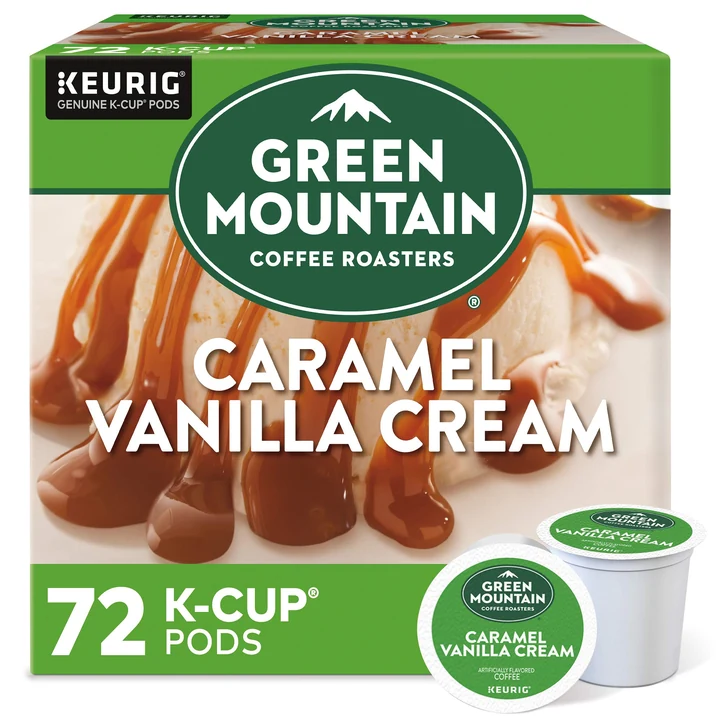
Caramel Vanilla Cream brings together caramel and vanilla with a brown-sugar flavor direction in a light-roast coffee. Those familiar dessert associations can lead you to expect a drink that is already sweetened like a café specialty. Taste the brewed coffee first so you can separate the aroma you recognize from the amount of sweetness you personally want.
Add sweetener gradually if you use it. Stir thoroughly before tasting again, and keep enough space in the mug for milk. Measuring the first few additions is useful because a large pour of creamer can change the drink more than a small change in coffee. Once you find a balance, the measurement can become a simple routine rather than an ongoing experiment.
For a weekend variation, try the coffee with a little warm milk and a modest amount of foam prepared in suitable equipment. Keep the topping small enough that you can still taste the coffee. This makes a coffee-and-milk drink, not espresso. You can enjoy a softer, more indulgent cup without using a café name that suggests a different brewing method.
Establish a plain baseline before mixing
Use the same clean mug, water source and supported brew size for your first comparison of two flavors. A lingering smell from a previous drink can interfere, especially in a travel lid. Wash the cup and lid as their maker directs and make sure they are free of detergent fragrance. Then brew a fresh pod and take a small sip before adding anything.
Notice three things: the aroma, the coffee's presence and the finish. You do not need a detailed scorecard. A note such as "I like the hazelnut aroma, but this serving gets too light with my usual milk" already suggests a useful adjustment. Try the next smaller supported brew size before adding more flavored ingredients.
For further preparation advice, see better K-Cup coffee. That guide separates serving size, water and maintenance so you can solve a brewing problem without mistaking it for a flavor preference. Keep flavor comparisons small and purposeful; several unfinished large mugs will tell you less than two well-controlled cups.
Recipe: a gentle vanilla morning cup
For one serving, start with one French Vanilla K-Cup pod and two tablespoons of your preferred plain milk or milk alternative. Brew a supported small or medium serving into a mug with enough room for the addition. Let it cool to a comfortable temperature, taste it, then stir in one tablespoon of milk. Add the second tablespoon only if you prefer the balance that way.
If you usually sweeten coffee, add a small measured amount after the milk and stir again. The exact quantity is yours to choose; there is no reason to assume that everyone wants a dessert-like cup. Keep track of what you used the first time. That makes it easy to repeat the drink on a busy morning without measuring every part indefinitely.
To make the drink warmer after adding milk, warm the milk separately using appropriate equipment and its instructions. Do not put milk into the brewer's water reservoir. If you use a milk alternative, follow the product's heating guidance. Some behave differently when warmed, so the version you drink cold may not produce the texture you expect in hot coffee.
Recipe: hazelnut coffee with a soft milk finish
Brew one Hazelnut pod at a supported size you already enjoy. Set aside two to four tablespoons of plain milk or your preferred alternative. Begin with the smaller amount, stir and taste. This recipe is about adding a softer finish while keeping the hazelnut aroma recognizable, so stop before the addition overwhelms the coffee.
For a lightly foamed version, use a milk frother designed for your chosen liquid and follow its directions. Spoon a small amount of foam onto the brewed coffee after adding the liquid portion. Choose a mug that leaves room for both. You can serve it without a topping or add a small dusting of cocoa if that suits your taste and dietary requirements.
Treat the cocoa as an optional recipe ingredient, not a feature already present in the coffee. That distinction matters when you describe the drink to a guest. Keep the original packages available so they can check ingredients themselves. A pleasant serving suggestion should never become an unsupported statement that a finished drink is suitable for a particular allergy or diet.
Recipe: caramel-vanilla coffee over ice
Begin with one Caramel Vanilla Cream pod, ice and a small amount of milk if desired. Follow your brewer's iced instructions where available, and use a vessel suitable for the temperatures involved. Leave enough room for the ice and additions. If your machine has no dedicated iced setting, follow its supported brewing guidance rather than improvising a process inside the machine.
Taste the drink after stirring and allowing the ice to settle. Melting ice adds water, so the balance a few minutes later matters more than the first sip alone. If the result becomes too light, compare a smaller supported starting brew next time while keeping the ice and milk similar. That experiment shows whether dilution is the issue without changing the flavor at the same time.
Add sweetener only after tasting. A small amount mixed thoroughly is easier to adjust than a large pour of syrup. If you make a sweetened version for someone else, tell them what you added and keep any ingredient labels available. Use clean equipment and follow the storage instructions for milk and other perishable additions; prepare the drink for the occasion rather than leaving it out for later.
Build a breakfast pairing around contrast
Pairing coffee with food can be as simple as choosing whether you want similar flavors or a contrast. Vanilla coffee beside plain toast keeps the coffee's aroma easy to notice. Hazelnut coffee with oatmeal creates a different setting from the same coffee with a strongly flavored pastry. These are suggestions to explore, not fixed rules about what belongs together.
Take a sip before eating, then another after a bite. You may notice that a familiar food makes the coffee seem sweeter, quieter or more pronounced. The purpose is to find a combination you enjoy, not to prove a tasting note. If the food dominates everything else, choose a simpler breakfast for your comparison or accept that the drink's role is simply to accompany the meal.
When preparing breakfast for guests, offer plain additions separately. Someone may enjoy vanilla coffee but prefer no sweetener, while another person wants milk. Serving everything premixed removes those choices. A small tray with the coffee names and clearly labeled additions lets each person finish the cup comfortably without requiring a long explanation from the host.
Keep a shared coffee corner easy to use
Organize by the names people are trying to find. A section labeled Hazelnut is easier to use than a drawer arranged only by box color, especially when packaging changes. Keep regular unflavored coffee separate from flavored coffee if your household has strong preferences. Give Half Caff its own clear label rather than placing it among other medium roasts without distinction.
Place the basic machine instructions where a guest can read them before brewing. Include the supported cup size you normally use and remind them to leave room for additions. Do not present your preferred setting as the only correct one. Its purpose is to help an unfamiliar user make a reasonable first cup, after which they can adjust within the machine's instructions.
Keep packages or current label information accessible for ingredient questions. A handwritten flavor label is useful for navigation but does not replace the original ingredient and handling information. If the coffee corner serves several people, ask them to avoid leaving an opened container of milk beside the brewer after preparing their drink. Follow that product's storage instructions.
Troubleshoot the finished drink
| What you notice | A useful experiment | What it helps you learn |
|---|---|---|
| Aroma is appealing but the cup feels thin | Try a smaller supported brew size | Whether concentration is the issue |
| Flavored creamer hides the coffee | Try plain milk in a measured amount | Which flavor you actually prefer |
| The drink tastes sweeter than you want | Reduce added sweetener first | How much sweetness comes from your recipe |
| Iced coffee loses its character | Keep track of ice and starting brew size | How dilution changes the cup |
| Every flavor has an unusual aftertaste | Check mug, water and brewer care | Whether preparation needs attention |
| You prefer the coffee before adding anything | Keep the recipe simple | Whether additions are unnecessary |
Change only one element for the next cup. If you replace the coffee, reduce the ice and change the creamer together, you may get a better drink but learn very little about why. A small, repeatable adjustment gives you a preparation you can use again. There is no need to keep experimenting once the coffee fits your taste.
Compare pack sizes with your actual use
The selected Hazelnut, French Vanilla and Caramel Vanilla Cream offers each contain seventy-two pods. At one pod per day, that is roughly seventy-two days of use; at three pods per day across a household, it is about twenty-four days. These calculations help you plan storage and reordering. They do not override the date or storage guidance printed on the package.
If flavored coffee is an occasional choice, consider how many people will drink it before ordering several varieties at once. A large assortment can be enjoyable, but unopened boxes still need a suitable storage space. Keep them away from heat and moisture and rotate older purchases forward. Check packaging condition when the delivery arrives and retain the order information in case you need help.
For price comparisons, divide the final pack total by the number of pods and account for the conditions of the offer available to you. Membership discounts, delivery charges and another selected size can change the result. The checked price on a product page is a useful reference; review the final offer and count before completing an order.
Know what the packaging can answer
Ingredients, nutrition, handling and the printed product date belong to the exact package you receive. Product names and general descriptions cannot answer every dietary question. Read the full label rather than relying on a front-of-box flavor word, and seek current manufacturer information when a detail matters to your choice. Packaging designs and formulations can change over time.
The same care applies to pod disposal. Follow the package instructions and check local acceptance. Green Mountain's recycling message includes the limitation that pods are not recycled in many communities. Do not assume that a recycling symbol guarantees collection where you live. Let the used pod cool before handling it and use the disposal route your local guidance specifies.
For an order issue, open the order in the account used to purchase it and review the available support options. Keep the product packaging and clear photographs if something arrived damaged or different from what you ordered. Food return and refund options can differ from those for other goods, so use the options attached to your particular order rather than assuming a general return promise.
Keep your serving notes useful
Write down quantities in the units you actually use in the kitchen. A tablespoon measure can be easier to repeat than a splash, while a named machine setting is clearer than a large cup. Include the exact coffee name because French Vanilla and Caramel Vanilla Cream are different starting points. If you tried an alternative milk, record which one rather than treating every product in that category as identical.
You can also record what you would omit next time. Perhaps the cocoa topping covered the hazelnut aroma, or the flavored creamer made an already aromatic coffee less distinct. Removing an addition is a worthwhile recipe change. A shorter ingredient list often makes it easier to reproduce the part of the drink you enjoyed. Keep the successful version and stop adjusting when it suits the occasion.
Choose the next cup by what you learned
After a few cups, your notes should point toward a clear preference. You may enjoy Hazelnut with a little plain milk, French Vanilla without additions, or Caramel Vanilla Cream as an occasional iced drink. Those are complete answers. There is no requirement to add syrups or toppings simply because the coffee has a dessert-associated name.
Keep one preparation that is easy on an ordinary morning and a second only if you enjoy making it. A recipe that needs several ingredients and more cleaning than you want will probably remain a weekend idea. Store the useful instructions beside the coffee or in a note on your phone so that the result is repeatable.
Open the flavored coffee collection to compare the three products, their exact counts and their current offers. Choose the flavor you want to smell and taste first. Let the rest of the drink follow from that choice.
Product characteristics are based on the individual product information. Follow the current package and your brewer’s manual for ingredients, compatibility, care and handling.